

(as of March 25, 2026 - Details ↓)

(as of March 25, 2026 - Details ↓)
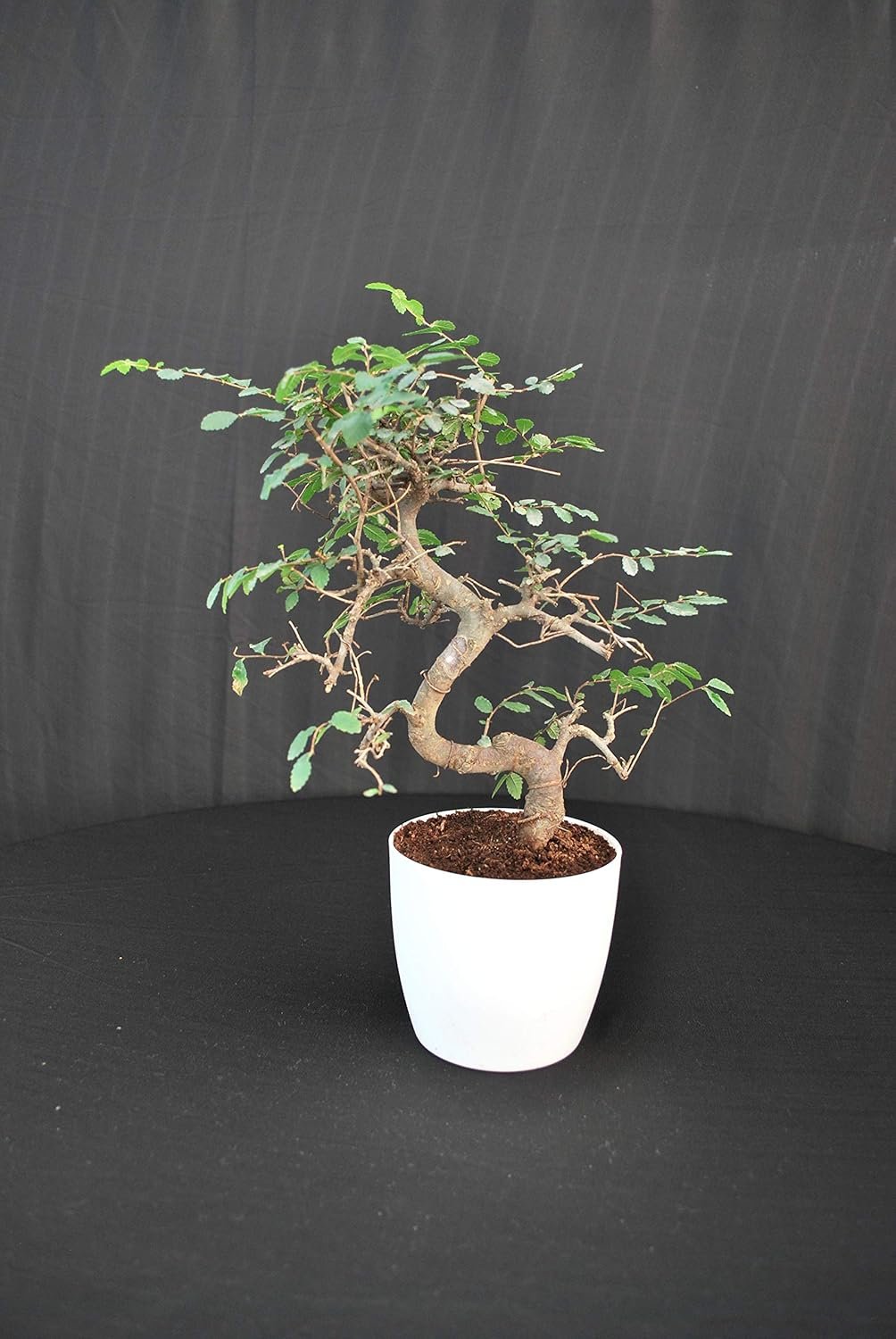

BIRTHRIGHT Chinese Elm – S Shaped – Outdoor Bonsai Live Plants with Pot
Price: ₹1198.00
(as of March 25, 2026 - Details ↓)
Price: ₹1198.00
(as of March 25, 2026 – Details)
Product Description
Introduction
The Chinese elm is the most popular of the elm trees for bonsai purposes, although other elms are also suitable for Bonsai. The Chinese elm is often confused with the Japanese zelkova. Mature Chinese elms develop a scaling bark with orange patches while the zelkova’s bark stays smooth. Chinese elm leaves have a glossier surface and zelkova leaves are often narrower and more pointed.
The Siberian elm (Ulmus pumila) also resembles the Chinese elm. It is native to Eastern Siberia, Middle Asia, Mongolia and Northern China, has larger double-toothed leaves and develops a deeply furrowed bark. The Siberian elm is very frost-hardy, robust, can tolerate droughts better and is resistant to the Dutch elm disease. If you need help identifying your tree, take a look at our Bonsai tree identification guide.
Objective
The objectives of this exercise are to learn about bonsai and to start training a plant as a bonsai. A secondary objective is to learn the art of pruning and reinforce it by pruning the plant as a bonsai.
Birthright Chinese Elm – S Shaped – Real Outdoor Bonsai Live Plants with Pot
The word bonsai is pronounced bone sigh, bon means tray or pot and sai means plant. Bonsai refers to the plant being miniaturized as well as to the technique used. Bonsai originated in China about 1200 years ago as a way of putting woody plants in containers in courtyards.
As the plants became dwarfed in the containers, they became more highly prized. The Japanese perfected the art as we know it today beginning about 700 years ago. Today the art of bonsai is a popular hobby in the U.S. Bonsai can be the source of immense pleasure and inspiration.
Bonsai traditionally refers to a tree or shrub, but today it may refer to any miniaturized plant, including herbaceous plants. Succulents are often used for bonsai today.
The Chinese Elm / Ulmus Bonsai tree is a tough tree that can be used in both outdoor and indoor environments that have enough natural light
Healthful, auspicious and charming Beautiful, Auspicious and Healthy Bonsai Tree is considered to bring luck, prosperity, and happiness when it is brought home. It is a natural air purifier, which treats harmful chemicals like toluene and benzene in air and makes it more breathable.
Placement
The Chinese elm thrives in either full sun and/or partial shade. In temperate climates, it can be left outdoors even during winter months.If you have an indoor Chinese Elm Bonsai you can place it outside during the summer, but it’s best to bring it into a cool, but frost-free, room in the winter.The Chinese Elm can usually endure some frost but it differs depending on the region it was imported from.Trees from northern Chinese regions are more frost-hardy than those coming from southern areas.Depending on winter temperatures Chinese Elms either drop their leaves or keep them until spring when the new shoots emerge.
Watering
The Chinese Elm cannot endure prolonged drought or constant moisture.Wait until the topsoil is dry, and then water generously, making sure the entire root-mass is watered.Continue reading about watering Bonsai trees.
Pruning and Wiring
The Chinese elm thickens rather quickly and requires frequent trimming in order to produce a dense network of fine branches.Allow the shoot to extend 3 or 4 nodes before pruning it back to 1 or 2 leaves.The tree buds well from old wood after strong pruning.The best time to prune larger branches is in late autumn.The Chinese elm is ideal for shaping with standard wiring and guy wire techniques. Continue reading about pruning Bonsai trees.
Pests and Diseases
The Chinese Elm is often infested by spider mites or scale when humidity is low.Appropriate pesticides should be used, and frequent spraying with water helps to deter pests and diseases.Spraying with thinned lime-sulfur or systemic pesticides can cause the Chinese Elm to lose all its leaves, so avoid these products.For more detailed information on these techniques, check out our Bonsai tree care section.
Care Instruction for Chinese Elm
The Chinese Elm cannot endure prolonged drought or constant moisture. Wait until the topsoil is dry, and then water generously, making sure the entire root-mass is watered. Continue reading about watering Bonsai trees. Make sure to provide plenty of fertilizer to nourish your Chinese Elm during the growing season.
Botanical Name: Ulmus parvifolia.. Unique Fact: Air purifying,believed to be a symbol of love, calm & wisdom
Care: Low maintenance.. Light: Indirect sunlight
Water: Twice a week.. Pet-Friendly: Yes
Place of Pride: Balcony and room corners with bright light.. Watch-Out Tip: Avoid over watering
Promise: Healthy plant with adequate foliage
Customers say
Customers find the bonsai plant healthy and of good quality, with one noting it looks lovely. However, the survival rate is mixed, with several customers reporting that their plants couldn’t survive more than three months.
Related products


2 in 1 Self Clean Wash Dry Hands-Free Magic Flat Spin Net Scratch Microfiber Flat Mop with Bucket, Cleaning Squeeze Hand Free Floor Extra 2 Reusable Pads Cleaning
Price: ₹459.00(as of March 25, 2026 - Details ↓)


Big Size Self Cleaning Hairbrush, 2 in 1 Comb, Telescopic Self Cleaning Brush, One-Click Cleaning Comb, Self Clean Hair Comb For Women (Multicolour)
Price: ₹199.00(as of March 25, 2026 - Details ↓)
Godrej 1.7 Ton 3 Star, 5-In-1 Convertible Cooling, Inverter Split AC (Copper, Turbo Cooling at 52°C, 2024 Model, SIC 20ITC3-WYS, White)
Price: ₹38490.00(as of March 25, 2026 - Details ↓)
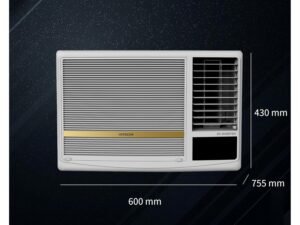
HITACHI 1.5 Ton 5 Star, Window Inverter AC (Copper, 100% cooling at 43 degree Celsius, SHIZUKA- RAW518HGEOZ1, White)
Price: ₹44890.00(as of March 25, 2026 - Details ↓)


Hitachi 1.5 Ton Class 3 Star Window Inverter AC (100% Copper, 100% cooling at 43° Celsius, RAW318HHEO, White)
Price: ₹33990.00(as of March 25, 2026 - Details ↓)


Mop with Bucket for Floor Cleaning|Flat Mop with Telescopic Stick for Cleaning Floor|Wet & Dry Cleaning Operation with Self Clean System|Equipped with 2 Microfiber Pad
Price: ₹749.00(as of March 25, 2026 - Details ↓)


Oumffy Heavy Quality Spin Mop for Floor Cleaning with Bucket Deluxe System 360° Flexible Mop Head with 𝐒𝐞𝐥𝐟 𝐒𝐞𝐩𝐚𝐫𝐚𝐭𝐢𝐨𝐧 Dirty and Clean Water System 2Pcs Reusable Microfiber Pad【Grey】
Price: ₹1380.00(as of March 25, 2026 - Details ↓)


Voltas 1.5 Ton 3 Star Fixed Speed Window AC (Copper, Sleep Mode, Memory Restart, Anti Dust Filter, WAC 183 Vectra Prism-1, White)
Price: ₹31500.00(as of March 25, 2026 - Details ↓)

Reviews
There are no reviews yet.